
Short answer
A buyer may call a faucet cheap after noticing low weight, a warm plastic surface, a hollow sound, uneven finish, loose movement, large gaps, or weak handle resistance. Those reactions affect market fit, but do not prove that the faucet will fail.
Check durability against the product specification. Identify the material and job of each part, how the parts fit, and what inspection or test evidence supports the design. A sample may pass sealing and pressure checks while other risks remain.
Lanerdi is a brand of Jiangmen Anmei Industrial Co., Ltd. We are a China-based faucet manufacturer focused on B2B OEM and ODM projects for mid-to-high-end markets. This article reflects the shared view of our engineering and quality team, not a named author.
Table of Content
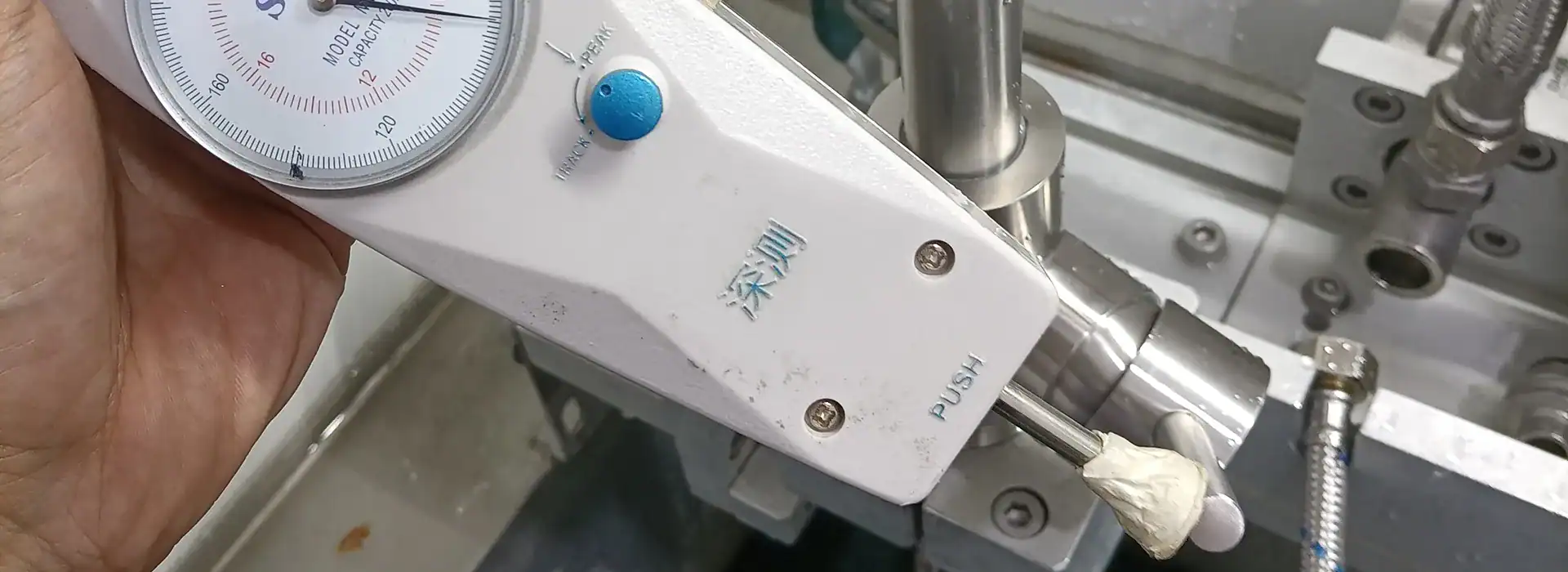
Why the first impression matters
The first judgment comes when someone picks up the faucet. Weight is an obvious cue, but balance matters too. A heavy pull-out spray head can feel awkward even when the complete faucet feels solid.
At the same room temperature, metal usually feels cooler than plastic. That difference does not show how long the assembly will last.
A hollow sound deserves attention, but it is not a diagnosis. It may come from a loose shell, a cavity, movement between parts, or a light construction. Find the source, then inspect the nearby joints and supports.
Finish problems are easier to see: color variation, rough edges, coating gaps, marks, or poor alignment. Our appearance inspection applies different expectations to visible, less-visible, hidden, and functional sealing areas. A hidden mark does not have the same commercial effect as one facing the customer. A sealing surface also needs a functional judgment.
When finish is part of the buying decision, compare the available faucet finish options by appearance target, surface process, and care requirements.
Handle resistance should remain consistent through its travel. Free play, excessive resistance, changing gaps, or movement may point to fit, fastening, assembly, or alignment problems.
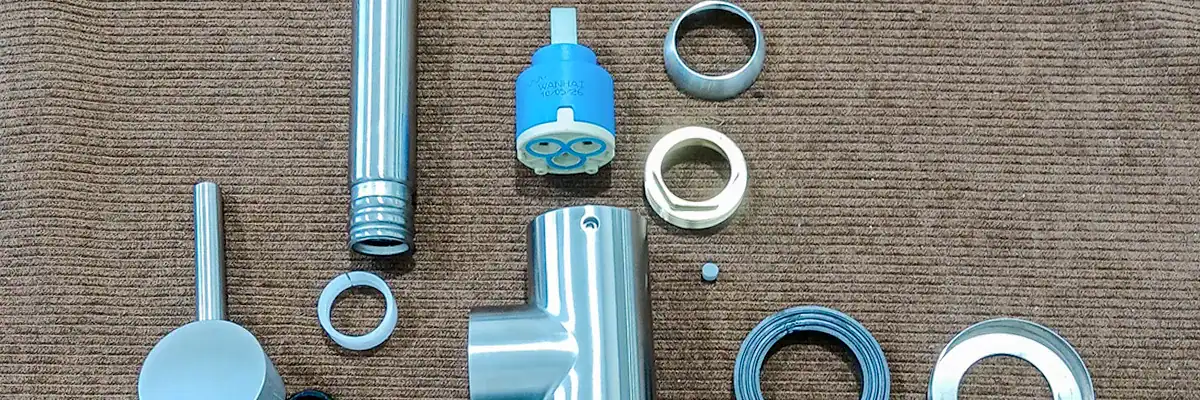
Judge materials component by component
Most faucets combine materials because the components do different jobs, so “metal faucet” and “plastic faucet” are poor approval categories.
Use a faucet material selection guide to define each part by its function, exposure, and intended feel.
Body
The body connects major parts and often carries mounting loads. Material, wall structure, joint design, and machining affect its stiffness and fit. Added weight may strengthen the relevant area or sit somewhere that does little to control the main risk. Ask where the material is and what it does.
Handle
People judge a handle by touch, movement, gaps, and sound. The outer material changes its temperature and feel; the internal interface controls free play and stability. A metal handle can feel loose when its connection is weak. A lighter one can feel controlled with the right fit and support.
Spray head
A pull-out spray head must balance weight, heat transfer, finish, button action, and repeated handling. Engineering plastic can reduce moving weight and allow complex shapes. Metal adds mass and often feels cooler. Assess the complete assembly rather than approving it by material alone.
Hose
The hose has to bend, pull, retract, and connect without being held in a damaging position. Material and construction matter, as do routing, connectors, packaging, and installation space.
Waterway
The waterway may be part of the body or a separate path. Check its material, joints, seals, and exposure to pressure and temperature. An outer metal shell does not define the water-contact path.
For projects intended for the United States or Canada, review the applicable local requirements and the NSF/ANSI/CAN 61 health-effects scope.
For EU projects, consult Article 11 of the EU Drinking Water Directive together with national implementation rules.
For UK projects, check the exact model and installation conditions in the WRAS guide to product-approval scope.
These sources address regional drinking-water-contact or approval requirements. They do not prove the mechanical durability or compliance of a specific faucet.
Decorative shell
A decorative shell affects appearance, touch, and perceived solidity, but may carry no pressure or major load. Choose its material for the intended feel, finish, support structure, and cost plan.
Apply the same thinking to fasteners and adhesives. More adhesive is not automatically safer. Define what the joint must resist before choosing the method.
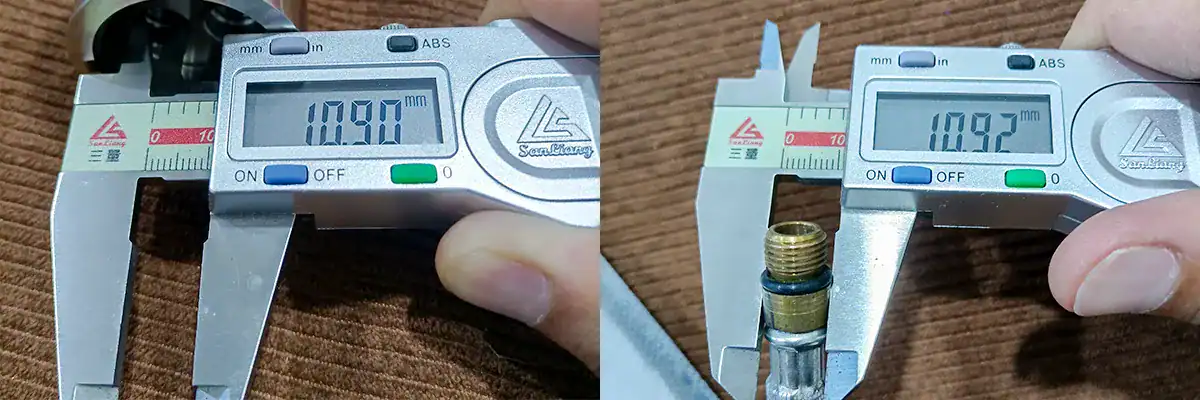
An anonymized sample that passed basic checks but was rejected
One internal sample passed its sealing and pressure checks, but we rejected it after the wider evaluation found structural risks.
Spout movement on this sample measured 2.1 degrees. The angle described the movement more clearly than words such as “loose” or “unstable.” We did not use it as a general acceptance limit. We traced the movement, examined the structural support, and compared the result with the intended product feel.
The sample also had a 10.92 mm part paired with a 10.90 mm mating bore. The part was larger than the opening, creating an interference risk. We reviewed the drawing, tolerance stack, measurement method, and production process together.
The 2.1 degree, 10.92 mm, and 10.90 mm measurements came from this one anonymized sample. They are not industry limits, universal tolerances, or proof of a market-wide problem. Passing one type of test did not finish this product review.
A broader faucet quality control process should connect dimensional checks, assembly review, function tests, and the approved product specification.
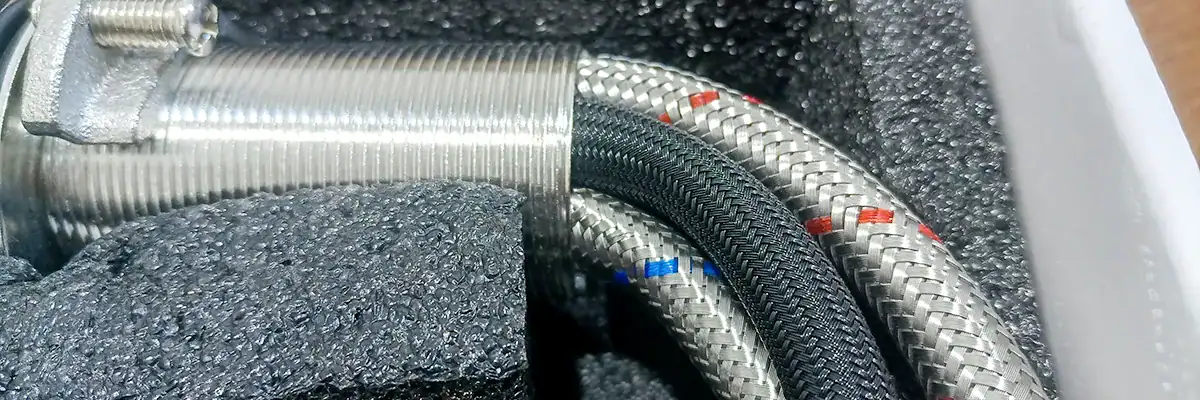
Packaging and installation can change the result
In another evaluation, the packaging dimensions left an inlet hose bent. The packed position and available space created the condition, not the hose material alone. Inspect the product after unpacking and note how the carton restrains its parts.
Installation stability also depended on an anti-rotation feature, which helps stop the faucet from turning. Its shape, fit, orientation, and contact all matter. Include a representative mounting check in the sample review.
Buyer decision table
| What the buyer notices | What it may mean | How to verify it |
|---|---|---|
| Low weight or unusual balance | Less material, a lighter spray head, a separate waterway, or mass in a different location | Compare part weights, construction, drawings, and the approved feel target |
| Warm surface or plastic touch | A plastic shell or internal part, not necessarily weak construction | Confirm the exact material, part function, wall design, and support structure |
| Hollow or loose sound | A cavity, loose fit, shell movement, or normal light construction | Tap and operate several samples, then inspect the joints and internal supports |
| Uneven finish or visible marks | Surface preparation, coating, handling, or appearance-zone issues | Use agreed appearance zones, lighting, distance, and approved samples |
| Handle free play or changing resistance | Interface clearance, alignment, cartridge, or fastening variation | Measure movement and operating feel, then inspect the connected parts |
| Gap or spout movement | Tolerance stack, support, assembly, or joint design | Measure the gap or angle and compare it with the approved specification |
| Hose remains bent after unpacking | Packaging space, routing, storage position, or hose construction | Review pack dimensions, unpacked condition, routing, and installed movement |
| Faucet turns during installation | Anti-rotation, mounting contact, fit, or installation method | Mount the sample on a representative surface and inspect the restraint |
RFQ and sample specification checklist
Give the supplier a written basis for quotation and approval. For an OEM faucet customization process, agree on these points before sampling:
Keep the checklist with the approved specification. If a later sample or production lot feels different, both the buyer and supplier can refer to the same requirements.
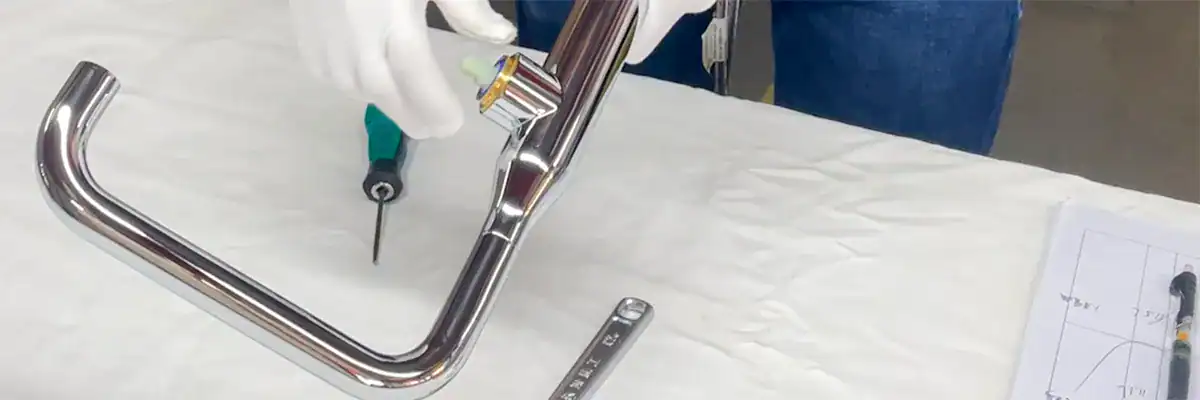
How this article was prepared
We prepared this article from anonymized internal sample evaluations and inspection records, followed by review from the Lanerdi engineering and quality team. We removed details that could identify a supplier, model, customer, person, document, or project. The examples describe our review method; they do not suggest that the observed issues are common across the faucet market.
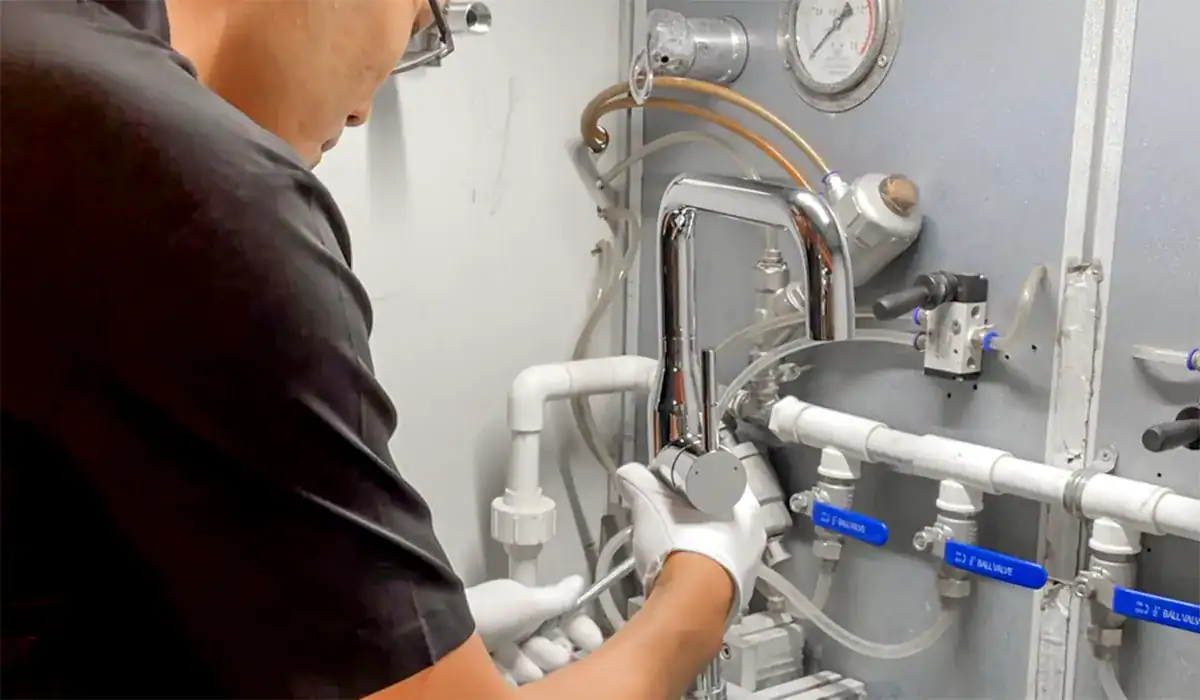
The Lanerdi perspective
In B2B OEM and ODM work, perceived quality belongs in the specification. If a product feels wrong for its price band, a basic functional pass does not resolve the concern. We define the intended feel, locate the cause of the difference, and relate each material or construction choice to the component’s job.
Durability evidence should apply to the exact BOM and product revision under review. When anyone proposes a change, the buyer and factory should agree on what needs another check. That basis makes supplier comparisons clearer than a judgment based only on weight or a material name.
Buyers who need more context can review our faucet manufacturing capabilities and the controls used during development and production.
