
It’s easy to overlook a toilet paper holder when planning a bathroom—it feels like such a small detail. But the Toilet Paper Holder Materials you choose play a crucial role in both style and durability. Bathrooms are tough environments filled with humidity, steam, water splashes, and harsh cleaners—all of which accelerate corrosion and wear. The right material choice ensures your fixture not only complements your bathroom’s design but also stands the test of time with minimal upkeep.
Table of Content
Let’s Set the Stage—How to Choose a Winner
To figure out which material is best for you, we need a standardized way to compare them. Here are the most important things to measure, known as Key Performance Indicators (KPIs):
- Corrosion & Rust Resistance: This is perhaps the most critical KPI because of the constant moisture exposure.
- Durability & Strength: This shows how well the material resists scratches, dents, and wear. Solid brass and stainless steel are top choices for high-traffic areas thanks to their superior durability.
- Longevity & Cost-to-Value: This looks at the expected functional lifespan. A material with high longevity is generally a better long-term investment, even if the upfront cost is higher.
- Aesthetic Integrity: Will the material maintain its original look, or will it tarnish, discolor, or fade over time?
- Maintenance Load: How much specialized care does it need? This can range from low-maintenance options like brushed stainless steel to high-maintenance ones like unlacquered brass.
Toilet Paper Holder Materials: A Comprehensive Analysis of Metallic Options
Metallic materials are the most common choice for toilet paper holders, offering a wide range of durability, style, and cost options. The metal or alloy you choose greatly affects corrosion resistance and overall bathroom design.
Stainless Steel: The Modern Standard for Performance and Versatility
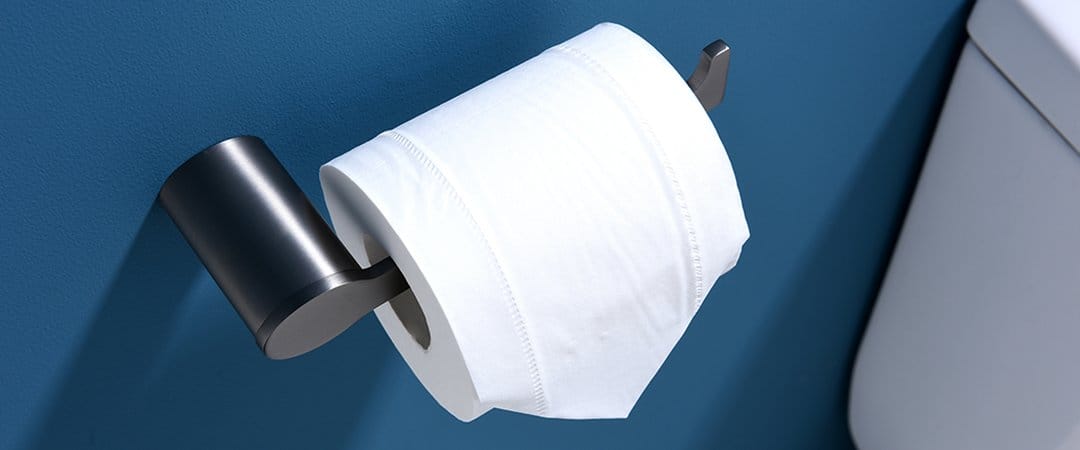
Stainless steel is a leading choice for toilet paper holders and other bathroom fixtures thanks to its balance of durability, aesthetics, and long-term value.
- Material Properties:
As an iron-based alloy with at least 10.5% chromium, stainless steel forms a self-healing chromium oxide layer that prevents rust and corrosion. Grade 304 stainless steel, containing about 18% chromium and 8% nickel, is the most popular for bathrooms due to its superior corrosion resistance. - Performance:
304 stainless steel offers excellent strength, hygiene, and longevity. Its non-porous surface resists bacteria and is easy to clean, making it ideal for both residential and commercial environments. - Aesthetics:
It provides a sleek, modern look with finishes like polished (bright and reflective), brushed (matte and fingerprint-resistant), and powder-coated matte black for a contemporary touch. - Drawbacks:
Polished finishes may show smudges and water spots, and harsh cleaners can scratch the surface or damage its protective layer. - Market Position:
Though more expensive than plastic or zinc alloys, stainless steel delivers long-term value through its superior lifespan and minimal maintenance.
Brass and Bronze: The Classics of Durability and Timeless Elegance
Brass and bronze are premium toilet paper holder materials known for their luxury, classic appeal, and exceptional durability.
- Material Properties:
Brass is an alloy of copper and zinc, while bronze is copper with about 12% tin. Solid brass, especially forged types, is dense and long-lasting. Both materials resist corrosion naturally and can develop a rich patina over time, adding character and depth. - Performance:
Solid brass and bronze perform exceptionally well in humid environments. Their natural resistance to corrosion and the protective patina they form make them ideal for long-term use. - Aesthetics:
These metals bring warmth and sophistication to traditional or vintage designs. Finishes include polished, brushed, antique, and oil-rubbed variations. Lacquered options maintain shine, while unlacquered ones age gracefully for a natural look. - Drawbacks:
Their main downsides are higher cost, heavier weight, and maintenance needs for unlacquered finishes, which require periodic polishing. - Market Position:
Brass and bronze fixtures sit at the high end of the market, often chosen for luxury homes and boutique projects where craftsmanship and appearance outweigh cost.
Zinc Alloy: The Budget-Conscious Workhorse
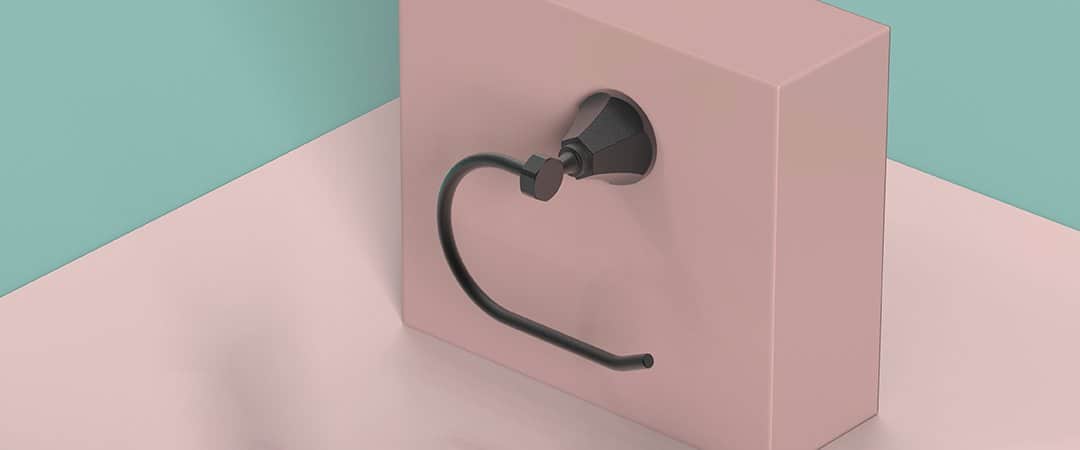
Zinc alloy, often labeled as “zinc” or “metal,” is widely used in budget-to-mid-range bathroom accessories for its low cost and flexible design potential.
- Material Properties:
A mix of zinc with aluminum or copper, it’s easy to cast into complex shapes and serves mainly as a base for decorative finishes. - Performance:
Its strength is adequate, but durability relies almost entirely on surface coating. Once the plating is scratched or chipped, corrosion can occur quickly in humid environments. - Aesthetics:
The alloy is typically plated or powder-coated in finishes like chrome, brushed nickel, matte black, or antique brass—offering a premium look at a lower price. - Drawbacks:
Zinc alloy’s main weakness is its dependence on its finish. Once damaged, it corrodes rapidly, leading to blistering or peeling. - Market Position:
Popular in large-scale housing projects and for consumers seeking affordable style, zinc alloy products deliver visual appeal at low cost—but with limited longevity compared to brass or stainless steel.
Aluminum: The Lightweight, Rust-Immune Alternative
Aluminum is a lightweight, rust-proof, and cost-effective choice for bathroom accessories, ideal for modern aesthetics.
- Material Properties:
Aluminum is a lightweight, non-ferrous metal that is naturally rust-immune due to its protective oxide layer. - Performance:
It’s durable for most residential use but not as strong as stainless steel or brass, making it more prone to dents and scratches. Its light weight makes handling, transport, and adhesive installation easy. - Aesthetics:
Aluminum suits modern designs and can be anodized, brushed, powder-coated, or polished for various colors and finishes. - Drawbacks:
Less robust than steel or brass, it can show fingerprints and water spots. Strong alkaline cleaners can damage the protective layer. - Market Position:
Positioned in the budget-to-mid-range segment, aluminum offers a cost-effective, rust-proof option for contemporary bathrooms.
Toilet Paper Holder Materials: An Examination of Non-Metallic and Specialty Materials
While metals dominate toilet paper holders, non-metal materials like wood, plastic, and ceramic are often chosen for their unique aesthetics and tactile appeal, with performance secondary to style.
Wood: Natural Warmth and the Challenge of Moisture
Wood adds a natural, warm, and organic touch to bathrooms, enhancing rustic, farmhouse, spa-inspired, or modern interiors.

- Material and Performance:
The suitability of wood in bathrooms depends on the species and quality of its protective finish. - Suitable Woods:
Teak», oak, cedar, walnut, and bamboo resist moisture when properly sealed, making them ideal for accessories. - Unsuitable Woods:
Softwoods like pine and engineered materials like MDF are vulnerable to swelling, warping, and mildew. - Sealing:
A high-quality, water-resistant sealant is essential to prevent warping, cracking, or mold growth. - Market Position:
Wooden holders range from budget-friendly bamboo or pine options to high-end teak, walnut, or artisan pieces for unique design statements.
Ceramic, Porcelain, and Stone: The Niche of Luxury and Substance
Ceramic, porcelain, and natural stone are materials chosen for their substantial feel, classic elegance, and their ability to be integrated into a fully coordinated bathroom design.
- Material:
These holders have a smooth, cool surface and convey quality. Ceramic and porcelain come in various colors and glazes, while natural stone like marble or granite adds a luxurious, unique look. - Performance:
Waterproof, rust-proof, and easy to clean, their weight gives a sense of substance and durability. - Drawbacks:
Fragile—prone to chipping or cracking—and heavy, requiring secure mounting. Porous stone may stain and need periodic sealing. - Market Position:
Mid-to-high-end and luxury segments, chosen primarily for aesthetic appeal rather than cost or practicality.
Plastic and Acrylic: The Apex of Affordability and Design Flexibility
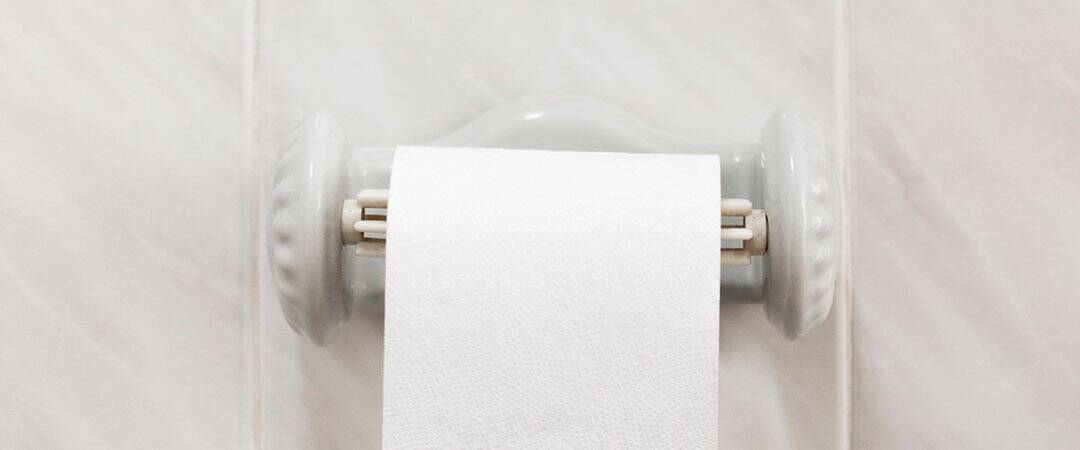
Plastic and acrylic are economical, versatile materials, offering low cost and endless options in shapes, styles, and colors.
- Material:
Thermoplastics like ABS and polycarbonate offer impact resistance and moldability, while acrylic provides glass-like transparency. Both are lightweight, rust-proof, and available in many colors. - Performance:
Plastic and acrylic resist water and corrosion, are easy to install (including no-drill methods), and high-density plastics can be durable for commercial use. Some even have antimicrobial coatings. - Drawbacks:
Lower-cost plastics can become brittle, crack, or yellow over time. Acrylic scratches easily and may appear less premium. - Market Position:
Dominating the budget segment, these materials are ideal for cost-conscious buyers, children’s bathrooms, or temporary setups.
The Critical Impact of Finishes and Coatings
A toilet paper holder’s finish affects not just color, but its look, feel, durability, and maintenance. For metals like zinc alloy, the finish is the main protection against corrosion, making understanding finishing processes essential.
The Role of a Finish: Protection and Aesthetics
A finish has two key roles: visually, it defines color, sheen, and texture; functionally, it protects vulnerable metals like zinc alloy from moisture, oxygen, and chemicals. The product’s lifespan depends on the finish’s durability.
Common Finishing Processes and Their Characteristics
Several advanced manufacturing processes are used to apply finishes to bathroom hardware, each with unique properties.
- Electroplating (Chrome, Nickel)»: A thin metal layer is applied to zinc or brass. Polished chrome is durable, shiny, and easy to clean; nickel offers warmer tones and brushed options. Durability depends on plating thickness and quality.
- Powder Coating: Dry pigment is electrostatically applied and baked, forming a thick, durable, moisture-resistant layer. Matte black is a popular modern choice.
- PVD (Physical Vapor Deposition)»: High-end process depositing metal vapor onto the surface, creating extremely hard, scratch-resistant finishes like brushed gold or graphite.
- Oil-Rubbed / Living Finishes: Chemically treated surfaces that age over time, revealing highlights and creating a vintage look. May require occasional maintenance.
- Lacquering: Clear coating protects metals like polished brass from tarnishing, preserving shine. Scratches can lead to localized tarnish; unlacquered brass develops a natural patina over time.
| Finish Type | Resistance to Fingerprints | Resistance to Water Spots | Scratch Resistance | Typical Maintenance | Common Associated Styles |
|---|---|---|---|---|---|
| Polished Chrome | Low | Low | High | Wipe with soft cloth and mild soap/water to remove spots; polish for shine. | Modern, Traditional, Contemporary |
| Brushed/Satin Nickel | High | High | Medium | Wipe with soft cloth and mild soap/water. Hides spots well. | Transitional, Contemporary, Modern |
| Matte Black (Powder Coat) | High | Medium | Medium-High | Wipe with soft cloth, mild soap, and distilled water to avoid mineral deposits. Avoid abrasive cleaners. | Modern, Industrial, Farmhouse |
| Oil-Rubbed Bronze | High | High | Medium | Wipe with soft, dry cloth. Avoid harsh chemicals. May require occasional waxing to protect the “living finish.” | Rustic, Traditional, Mediterranean |
| Polished Brass (Lacquered) | Low | Low | Medium | Clean with mild soap and water. Avoid abrasive cleaners that could scratch the lacquer. | Traditional, Vintage, Glam |
| Polished Brass (Unlacquered) | Medium | Medium | Medium | Will tarnish naturally. Clean with a dedicated brass polish to restore shine or allow patina to develop. | Vintage, Traditional, Eclectic |
| Brushed Gold (PVD) | High | High | Very High | Wipe with soft cloth and mild soap/water. Highly resistant to scratches and tarnish. | Modern, Glam, Contemporary |
Material Suitability by Holder Type and Bathroom Style
The best material for a toilet paper holder depends on its installation type and bathroom design. Weight, rigidity, and aesthetics determine suitability, helping ensure both functionality and a cohesive look.
Matching Material to Installation Type
The three primary installation types—freestanding, wall-mounted, and recessed—each impose different physical demands on the materials used.
- Freestanding Holders:
Offer flexible, no-drill installation but require stability. Heavier materials like solid brass, stainless steel, or stone work best, while light materials like plastic or aluminum need added weight to prevent tipping. - Wall-Mounted Holders:
The most common type, saving floor space. All materials work, but heavier ones (brass, bronze, stone) need secure anchors, while lighter ones (aluminum, plastic) can use adhesive or no-drill options, ideal for renters. - Recessed Holders:
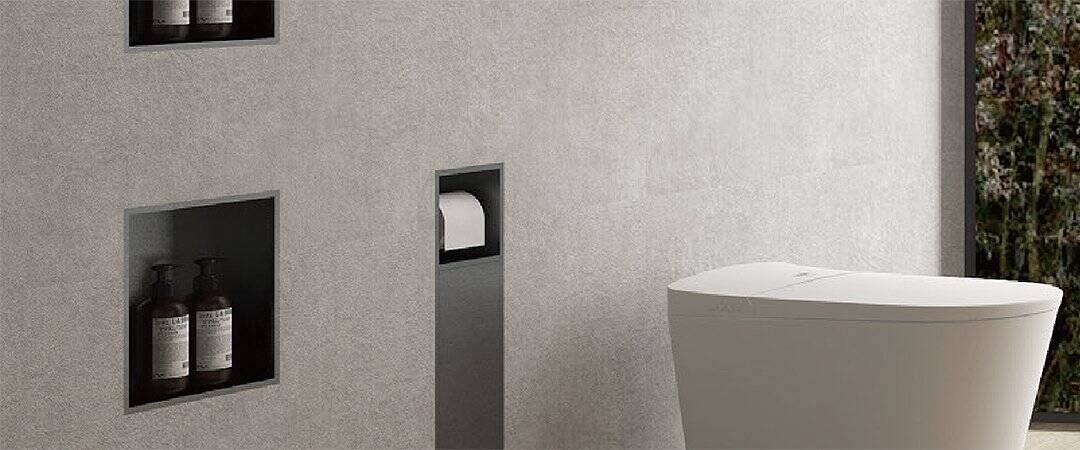
Fit into wall cavities for a minimalist look. Materials like stamped steel, stainless steel, or molded plastic are common, while premium options include solid wood or brass. Installation requires cutting into the wall.
Curating a Cohesive Aesthetic: Materials by Design Style
Beyond functional considerations, material selection is the primary tool for ensuring a toilet paper holder complements the bathroom’s design theme.
- Modern/Minimalist: Clean lines and simple forms pair well with brushed stainless steel, polished chrome, matte black, aluminum, or clear acrylic.
- Traditional/Vintage: Polished or antique brass and bronze, porcelain, ceramic, and oil-rubbed bronze finishes evoke elegance and historical charm.
- Rustic/Farmhouse: Wood (reclaimed or natural grain) and dark, weathered metals like wrought iron or oil-rubbed bronze complement a rugged, natural look.
- Industrial: Raw, utilitarian materials such as dark metals, cast iron, and repurposed elements emphasize durability and exposed construction.
Maximizing Longevity: Essential Maintenance Best Practices
Choosing the right material is only step one. Using the wrong cleaning method can cause irreversible damage! Here is how to maintain your investment.
- Stainless Steel: Wipe with a soft microfiber cloth, warm water, and mild soap. Follow the grain for brushed finishes. Avoid bleach, chlorine, and abrasive pads.
- Brass & Bronze: Use mild soap and water for lacquered or unlacquered finishes. Polish with brass cleaner if needed; keep unlacquered surfaces dry for natural patina.
- Zinc Alloy (Plated): Clean plated surfaces with mild soap and water. Use soft cloths; avoid acids, harsh chemicals, or scrubbing to protect the plating.
- Aluminum: Wipe with mild soap and water, rinse, and dry. Avoid caustic or abrasive cleaners.
- Wood: Dust regularly; clean with a lightly dampened cloth along the grain. Dry immediately. Occasionally apply furniture wax or polish.
- Plastic & Acrylic: Clean with mild soap and water or gentle bathroom cleaners. Avoid abrasive pads or powders to prevent scratches.
- Ceramic, Porcelain & Stone: Use non-abrasive, pH-neutral cleaners. Avoid acidic cleaners on stone; seal porous stones periodically. Rinse and dry thoroughly.
Final Recommendations: Matching Investment to Application
The best material depends on your environment, budget, and priorities:
- High-Traffic/High-Humidity: Choose Grade 304 stainless steel for durability and low maintenance, or solid brass for luxury and longevity.
- Low-Moisture/Powder Rooms: Style matters—sealed wood, ceramic, or quality plated zinc alloy work well.
- Budget or Temporary Use: Plastic, aluminum, or entry-level zinc alloy are functional and affordable but less durable.
Remember to consider safety too: for families with young children, materials like wood or plastic with rounded edges provide greater protection than sharp-edged metals. By combining practicality with style, you ensure your toilet paper holder» not only functions perfectly but enhances the look of your bathroom for years to come. Happy remodeling!


Contemporary Toilet Roll Holder In Stainless Steel & Zinc | A158 24


Stainless steel wall mounted paper towel holder for bathroom


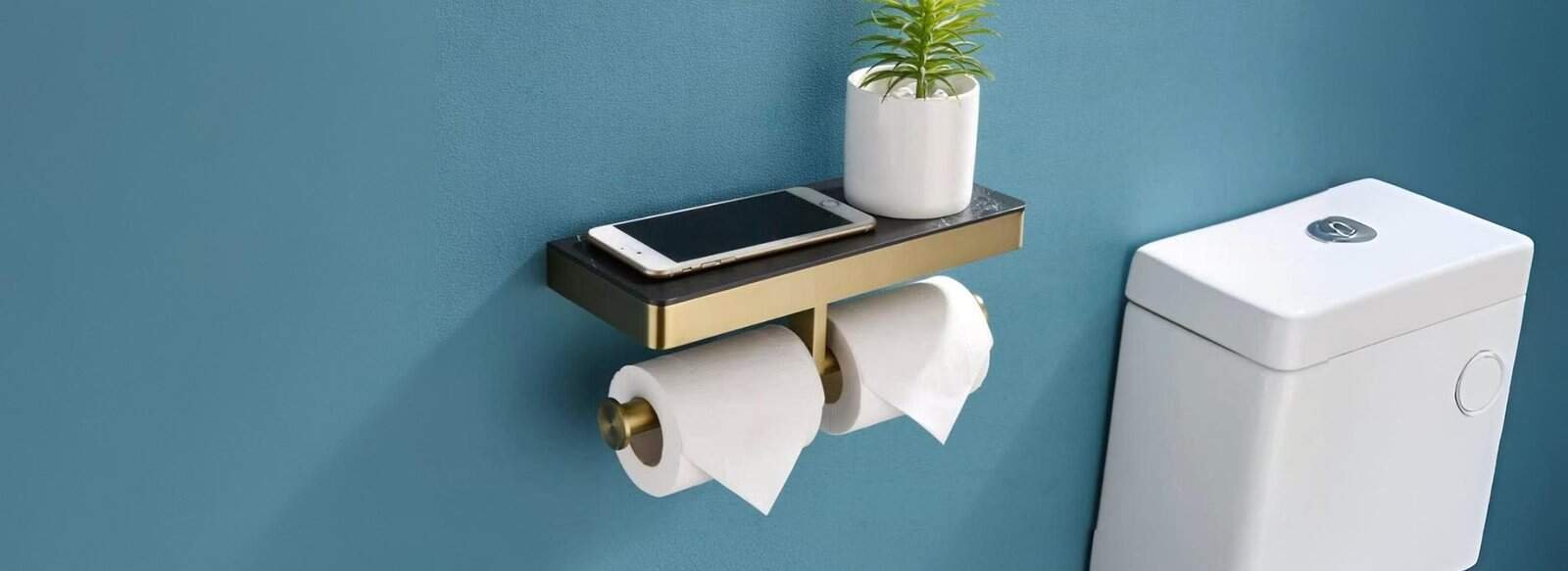
Zinc alloy wall mount toilet paper holder with shelf

Zinc alloy wall mounted roll holder

Wall mounted hanging toilet tissue bar | A020 04


Wall Mounted swing arm paper holder | A008 24

Stainless steel single arm paper holder | A146A 24
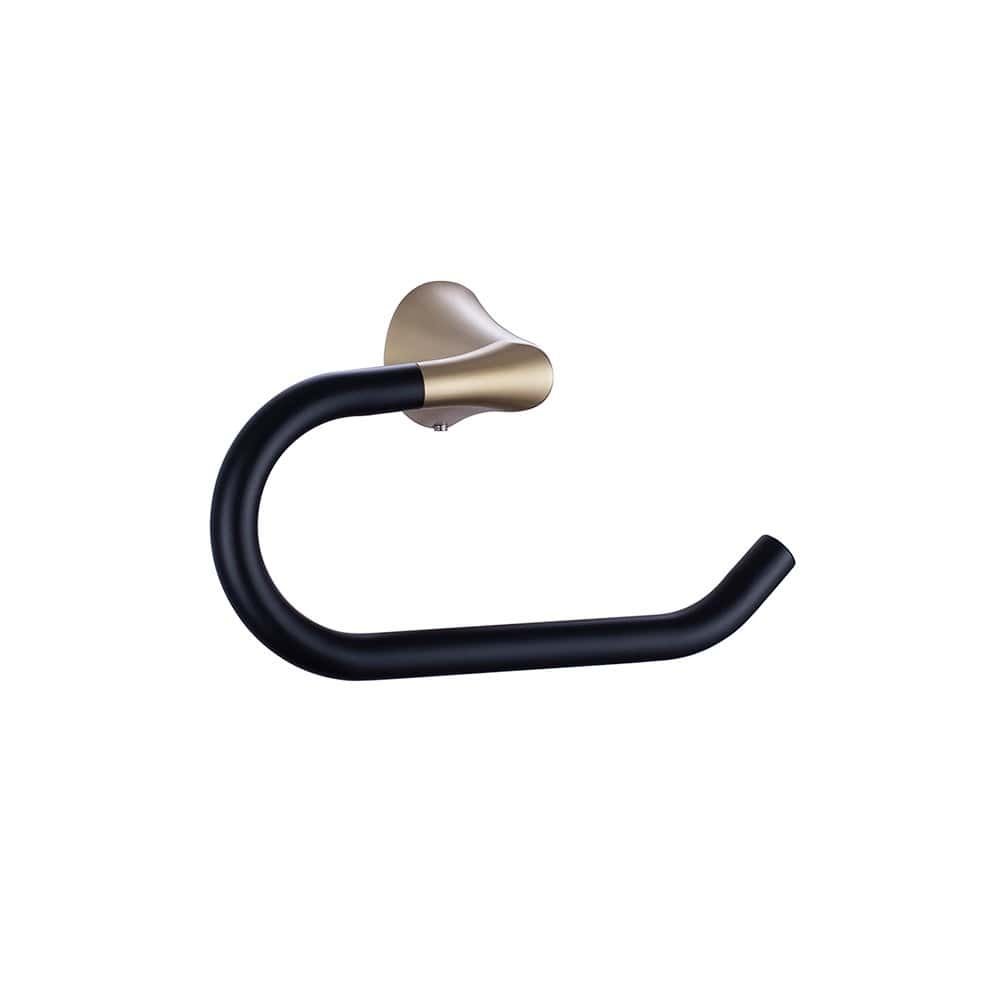
Stainless steel sturdy toilet paper holder |A146 24

Stainless steel single bar toilet paper roll holder | A151 26

Stainless steel toilet roll holder with cover | A148 05
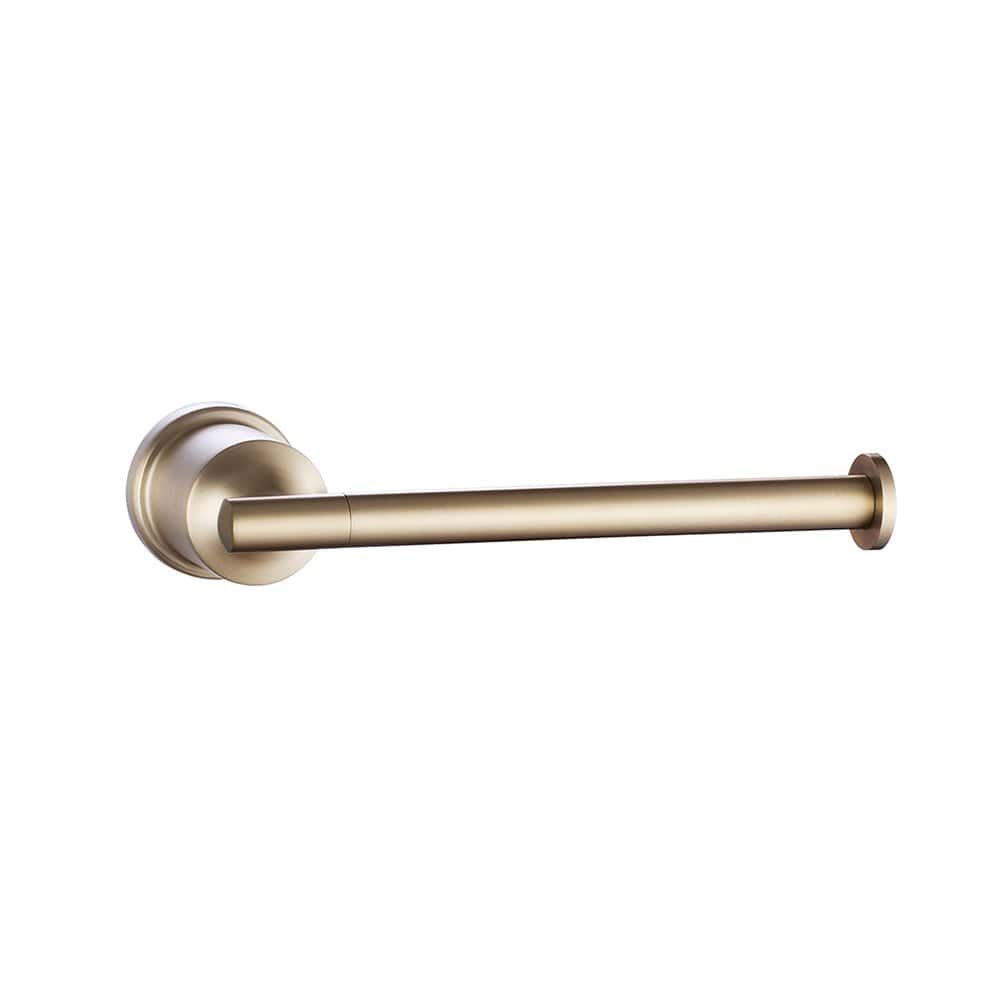
Stainless steel toilet tissue paper holder | A148 24


