
In construction, the most expensive words aren’t “material costs are up.” They’re “It doesn’t fit.”
Discovering clearance or depth issues after walls and tiles are finished leads to costly rework», delays, and failed inspections.
At Lanerdi, we believe a faucet manufacturer should do more than ship boxes. Our role starts earlier—long before installation.
Through our Pre-Installation Risk Review, we use engineering data to virtually validate your plumbing layout in advance, helping you catch problems while they’re still on paper—not on the job site.
Table of Content
The Blueprint Stress Test: Solving Conflicts in the Virtual World
The biggest problems often hide behind the wall. Architects and interior designers focus on clean lines and flush finishes—but the total installation depth of thermostatic valves, piping, and wall assemblies is often overlooked.
Let’s walk through a short virtual case study based on real-world conflicts we see every day.
- The Project Scenario:
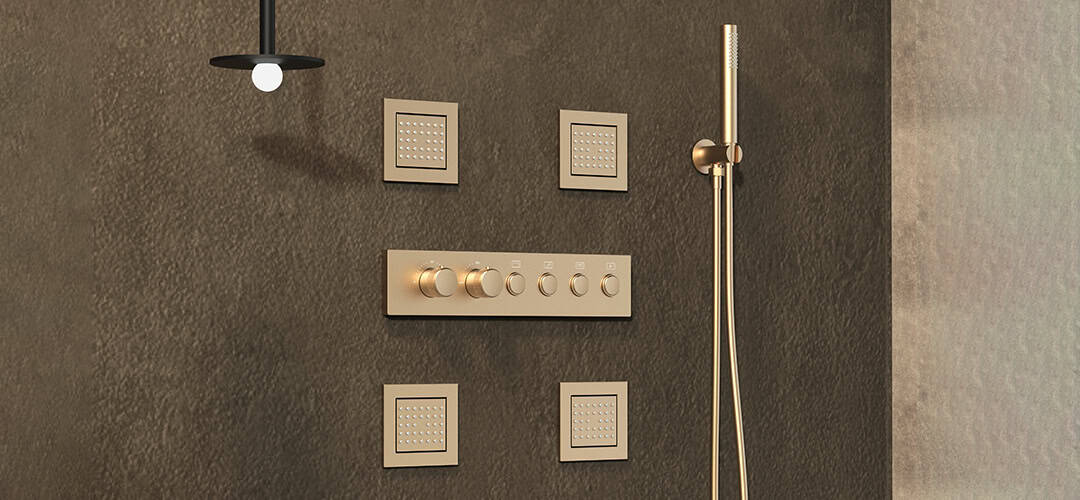
You’re developing Meridian Pointe, a luxury boutique hotel with a clean, minimalist design. To maximize room space, the architect specifies standard 3-5/8″ (92 mm) metal studs, while the designer selects Lanerdi’s Brushed Gold Thermostatic Shower System for its refined look.
- The “Oops” Moment We Catch:
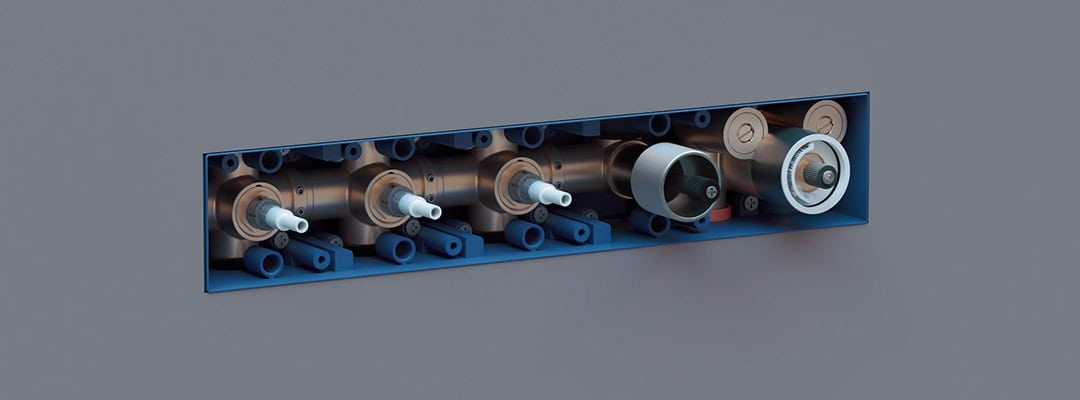
A standard supplier would simply ship the order. At Lanerdi, our engineers review your wall details—and do the math first.- The Hardware: The T-900 valve body is 3.2 inches deep.
- The Hidden Variable: To supply the body sprays and overhead rain shower, crossover piping is required behind the valve—adding at least 0.6 inches of clearance.
- The Math: 3.2″ (Valve) + 0.6″ (Piping) = 3.8 inches required.
- The Problem: Your wall cavity is only 3.6 inches deep.
- The Consequence:
If this isn’t caught early, the installer is forced to make it work. The valve either pushes into the corridor wall or protrudes past the tile, preventing a proper seal. The fix? Furring out dozens of finished walls—at enormous cost.
- The Lanerdi Solution:
By catching this during our Risk Review, we give you two options—before construction begins:- Product Swap: Switch to our Pressure Balance Valve with a slim 2.5″ flat-back body that fits the wall while preserving the same exterior design.
- Framing Adjustment: If the thermostatic valve is essential, we recommend framing that shower wall with 6″ studs.
We solve the crisis before it ever happens.
A “Chemical Audit” for Your Location
We all know that “Matte Black” or “Chrome” finishes aren’t created equal. A faucet that lasts ten years in a dry climate like Las Vegas might corrode in six months at a beachfront resort in Miami or Dubai.
Salt air acts as an electrolyte, accelerating galvanic corrosion. If you install a standard residential faucet in a coastal zone, you are setting yourself up for warranty claims when the finish starts to pit and peel a year later.
How We Audit Your Environment:
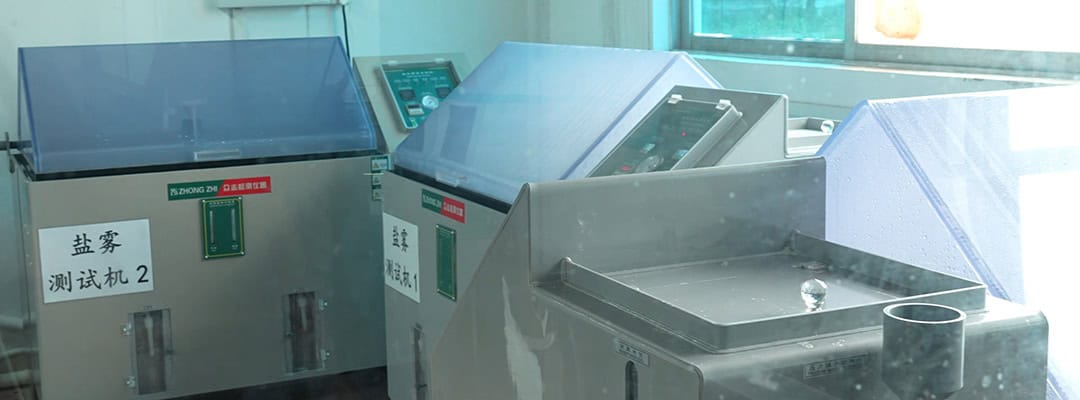
When we review your project, we check the geography. If you are in a high-salinity coastal zone, a standard “24-hour Neutral Salt Spray” (NSS) test isn’t enough.
- The Upgrade: We will flag the risk and recommend upgrading to our Marine Grade Finish.
- The Science: We verify this finish using the CASS Test (Copper-Accelerated Acetic Acid Salt Spray). This is an aggressive “torture test” that uses acid and copper to simulate years of harsh sea air exposure in just a few days.
- The Result: We increase the nickel plating thickness to 30 microns and use PVD (Physical Vapor Deposition)» technology to ensure your fixtures look brand new for years, protecting your reputation as a quality builder.
Navigating the Regulatory Maze (Without Killing the Experience)
Building codes are a moving target. What passes in Texas may fail inspection in California. Add green building requirements—meeting water-efficiency standards like LEED without sacrificing user comfort becomes a real challenge.
- The Compliance Check:
- Code Verification: We cross-reference your project’s location with local water efficiency laws (like CalGreen or WaterSense) to ensure you don’t get flagged by the inspector.
- The “User Experience” Trap: Standard low-flow faucets (1.2 GPM) often feel weak and unsatisfying. This leads to negative reviews for hotels and complaints from homeowners.
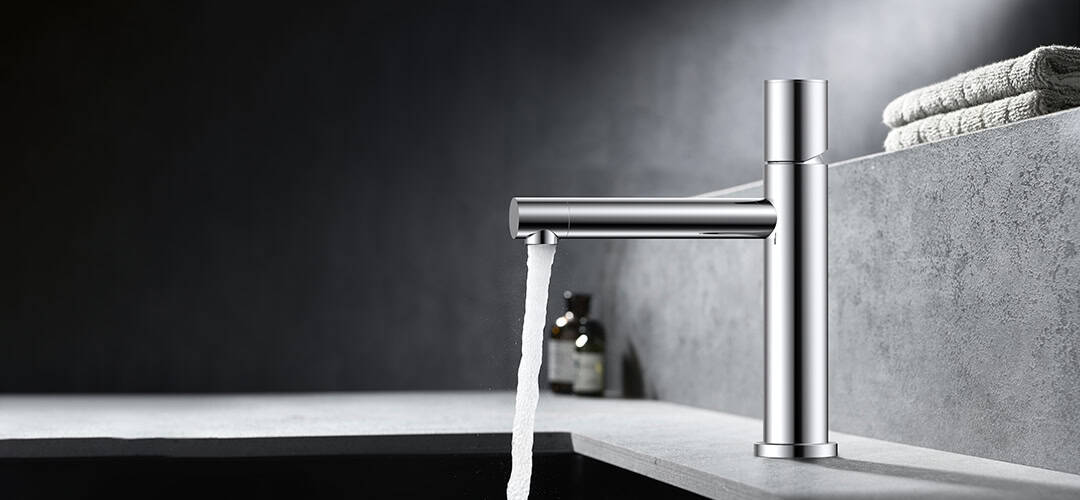
- The Lanerdi Fix: We don’t just restrict water; we engineer the flow. We utilize Air-Induction Technology. By using a specialized aerator that mixes air into the water stream, we increase the volume of the water droplets.
- The Result: The shower feels like a robust 2.5 GPM soak, but it actually only uses a compliant 1.5 GPM. You get the LEED points, you pass the inspection, and your customers get a great shower.
The Sample: Testing Reality Before Mass Production
Drawings are great, but they cannot replicate the physical feeling of using a bathroom. For large multi-unit projects, we don’t just suggest a “Mock-Up Room”—we aggressively support it. This is your chance to “try before you buy” on a massive scale.
What We Look For Together:
When we ship you the prototype samples (which we can produce in as little as 35 days ), we ask you to look for specific ergonomic failures:
- The Backsplash Clash: This is a classic design error. You choose a stylish high-arc faucet, but when you install it, the handle rotates backward to turn on hot water—and hits the stone backsplash or the mirror.
- The “Splashing” Problem: Does the spout reach align with the drain? If the spout is too short for the sink you chose, the water will hit the slope of the basin and splash your guests every time they wash their hands.

The Agility Factor: If we find these issues in the sample, we can fix them. Since we are the manufacturer, we can adjust the handle rotation angle or re-tool the spout length before we manufacture the other 500 units. You can’t get that flexibility from a standard distributor.
We Are With You Until the Keys Are Handed Over
Our responsibility doesn’t end when the shipment leaves our dock. We know that the installation phase is where things can get messy, and the “11-Month Warranty” period is where builder reputations are tested.
We provide two specific layers of support to ensure your team finishes strong:
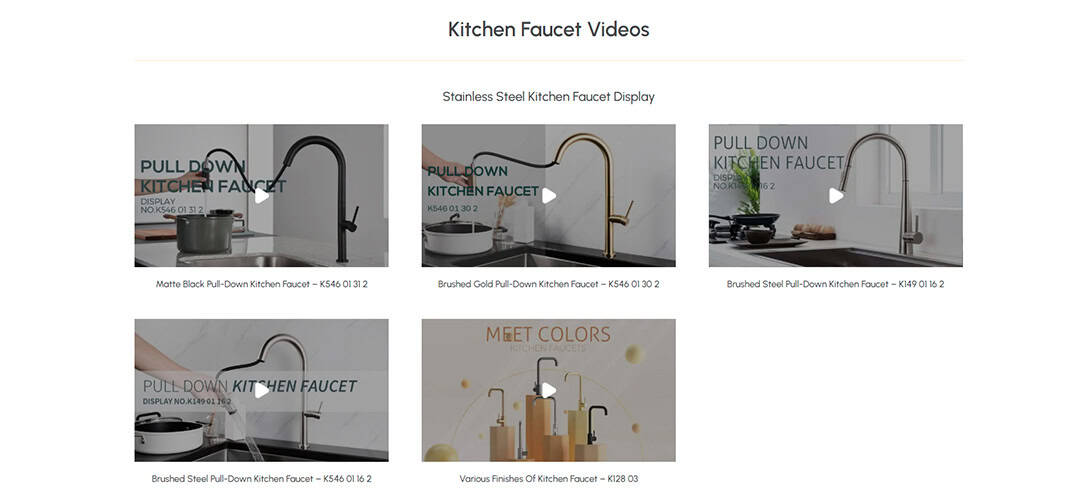
- Custom Video Installation Guides
Let’s face it: paper manuals get lost, torn, or thrown away. And if a subcontractor installs a valve upside down, it’s a disaster.
- Our Solution: We film custom installation videos specifically for the models you ordered. You can text these links directly to your plumbing subcontractors. They can watch a 2-minute video on their phone right in the bathroom, ensuring they know exactly how to set the depth and seal the trim.
- The “Turnover & Maintenance” Kits
We want to save you from nuisance warranty calls. If a faucet starts dripping 10 months after the owner moves in, you don’t want to roll a truck for a simple fix.
- Our Solution: We provide “Turnover Kits” for your facility management team. These boxes contain spare cartridges, special aerator keys, and set screws.
- The Scenario: Instead of filing a formal claim against you, the building’s maintenance engineer can grab the kit and fix a simple issue in 5 minutes. The problem is solved, the tenant is happy, and your team stays focused on the next job.
Conclusion
At Lanerdi», we know you have a thousand things to worry about on a job site. Wondering if the faucet will fit or if the finish will survive shouldn’t be on that list.
We are here to be more than just a supplier; we want to be your technical partner. Send us your drawings, and let’s make sure your next project is flawless from the inside out.
