
In today’s stainless steel faucet market, most products look the same—but hidden risks are everywhere. Rusting, leaking cartridges, and invalid certificates can turn a “good deal” into a costly disaster.
At Lanerdi, we believe risk is solved by knowledge. Based in Jiangmen, Guangdong, with over 20 years of manufacturing experience, we know what truly defines a reliable faucet.
This guide helps you identify real quality, understand QC reports, and avoid the most common procurement mistakes—so you choose the right supplier with confidence.
Table of Content
Anatomy of a “Real” Product Detection Report
In procurement, test reports are often ignored—but this is a costly mistake. A real product test report is not just a formality; it is the technical identity of a faucet, revealing material quality, mechanical durability, and surface integrity.
A simple one-page “Pass” certificate is not enough. A trustworthy report must include clear, detailed data that proves how the product truly performs. Knowing what to look for is the key to protecting your project—and your reputation.

1. The Metallurgical Foundation: Spectrometer Analysis
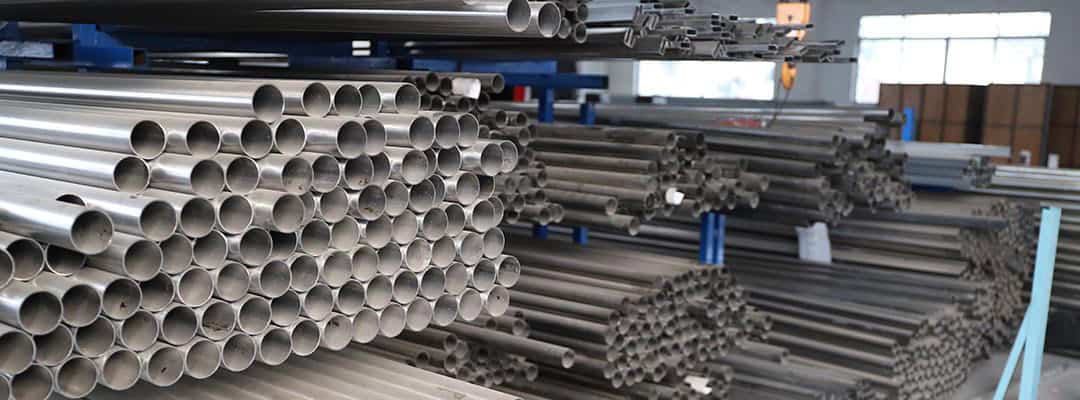
The quality of a stainless steel faucet depends on the steel itself. Not all “stainless steel” is equal—some alloys rust quickly. A real QC report must show OES or XRF chemical composition data, with a full element table—not just a grade name.
The Chemistry of Grade 304 vs. Grade 201
The most common industry trick is replacing Grade 304 with cheaper Grade 201. They look identical—but perform very differently.
- Chromium (Cr) – Rust Protection
- 304: 18–20%
- Below 16%: Rust resistance drops sharply.
- Nickel (Ni) – Corrosion & Strength
- 304: 8.0–10.5%
- 201: Only 3.5–5.5% (often masked by higher manganese).
Low nickel is the clearest sign of 201 steel.
- Manganese (Mn) – The Substitute
- 304: < 2%
- 201: 5.5–7.5% — harder, but far more prone to rust and pitting.
Why it matters: In humid or coastal projects, Grade 201 will stain and pit within months. Only a spectrometer report can protect you from this costly bait-and-switch.
The “Magnet Test” Myth
Many buyers believe: no magnet = real stainless steel. This is a dangerous myth.
Both 304 and 201 are normally non-magnetic. But during faucet manufacturing, cold working can make even real 304 slightly magnetic. At the same time, cheap 201 steel can be adjusted to appear non-magnetic.
Result: Good products may be wrongly rejected, and bad ones mistakenly accepted. Only spectrometer chemical data—not a magnet—can confirm real material quality.
2.Surface Integrity: The Salt Spray Test Data
After verifying the material, the key is the surface finish. Polished steel and PVD coatings must resist water, cleaners, and humidity.
A vague “Salt Spray Test: Pass” means nothing—you must know which test and standard were used.
Neutral Salt Spray (NSS) vs. Acid Salt Spray (ASS)
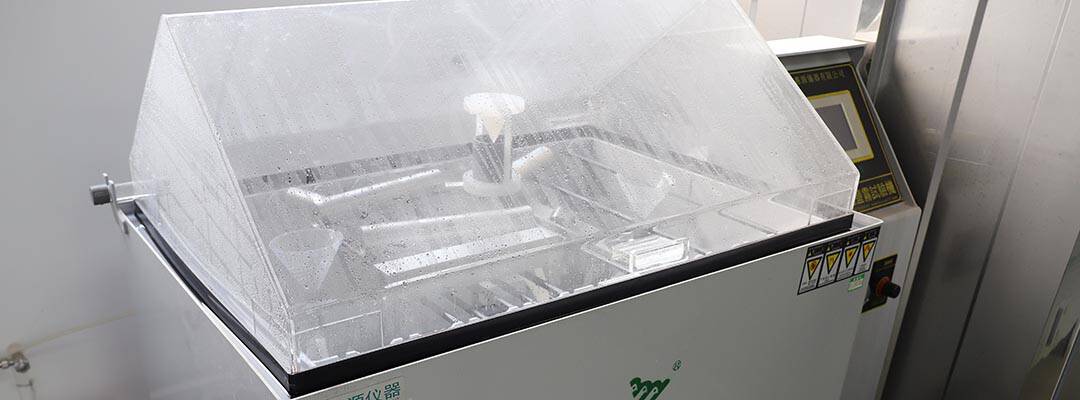
- Neutral Salt Spray (NSS): This is the baseline test. It uses a 5% sodium chloride solution with a neutral pH (6.5–7.2) at 35°C.
- Standard: Good 304 stainless steel should last over 200 hours in NSS without showing red rust.
- Limit: NSS is often too gentle for high-end stainless steel. A mediocre product can pass 24 or 48 hours of NSS easily.
- Acid Salt Spray (ASS): Acetic acid lowers pH to 3.1–3.3, simulating harsh conditions like acidic cleaners or polluted rain—much tougher than NSS.
- The Lanerdi Standard: We subject our products to the 24-hour Acid Salt Spray (ASS) test.
- The Benchmark: 24-hour ASS ≈ hundreds of hours NSS. A report showing only 24-hour NSS is a low standard. For NA/EU markets, look for ASS or 96+ hour NSS.
Adhesion and Abrasion
For PVD finishes, the report must also cover physical durability.
- Cross-Cut Adhesion Test: This checks if the coating peels off. A grid is cut into the finish, and tape is applied and ripped off. The report should show a classification of 0 or 1 (no peeling).
- Falling Sand/Abrasion Test: This measures hardness. How many liters of sand can fall on the finish before the base metal is exposed? This predicts resistance to scouring pads and rough handling.
3.The Heartbeat: Cartridge Life Cycle Data
The ceramic cartridge is the engine of the faucet. It is the moving part that endures the most stress. If the cartridge fails, the faucet leaks. It is that simple.
Cycle Counts: The Industry Standard
- ASME A112.18.1 (USA/Canada): Requires a grueling 500,000 cycles of opening, closing, and mixing.
- EN 817 (Europe): Typically mandates 70,000 to 140,000 cycles for mechanical durability.
A “real” report will specify the Cycle Count achieved. It should explicitly state “Passed 500,000 cycles without leakage.”

- Check the Cartridge Brand: A reliable report names the cartridge brand. At Lanerdi, we use Sedal, Kerox, and Wanhai—globally certified for consistent performance. Unbranded cartridges may pass tests once but fail in real use.
4.Health and Safety: Leaching and Pressure Tests
Finally, the report must address safety. A faucet delivers drinking water; it cannot be a source of poison.
Lead-Free Compliance
The report must verify compliance with AB1953 (California) or NSF/ANSI 61. This means the weighted average lead content of the wetted surface is ≤0.25%.
- The Cautionary Tale: In 2025, the CPSC recalled thousands of faucets sold on Amazon for leaching lead. These were products that lacked proper certification. A “real” report includes a chemical leaching analysis confirming that Lead, Cadmium, and Arsenic are below detectable limits.

Hydraulic Integrity (100% Testing)
Does the report confirm 100% Air and Water Pressure Testing?
- Air Testing: We use high-pressure air (0.6–0.8 MPa) because air molecules are smaller than water. If there is a microscopic pinhole in the casting or a loose seal, air will reveal it where water might not.
- Water Testing: A final blast of water at high pressure (1.6 MPa) ensures structural strength. The report should confirm that every single unit in the batch was tested, not just a random sample.
Beyond Price: The 5 Questions You Must Ask Your Supplier
A $2 saving per unit can be wiped out by warranty claims, delays, or customs issues. To find reliable suppliers, ask deeper—these five questions separate true manufacturers from risky traders.
Question 1: “Can you provide the raw lab data for this batch, and do you allow Third-Party Inspection (TPI) with random XRF testing?”
- The Trap: Some suppliers will show you a “Golden Sample” test report—a report from a perfect unit made three years ago. They rely on you not checking the current production run.
- The “Real” Answer: A confident manufacturer will have nothing to hide.
- What to look for: A trustworthy supplier agrees immediately—SGS, TUV, or your inspector can check any box with an XRF gun at their Jiangmen factory.
- The Lanerdi Way: Our lab uses spectrometers, life-cycle, and flow testers. Testing is routine, and clients are welcome to verify our 304 stainless steel (18% Cr, 8% Ni) every time.
Question 2: “Do you own your Surface Finishing facilities (PVD/Plating), or do you outsource?”
- The Trap: Many faucet “factories” are actually just assembly workshops. They buy raw bodies and send them out to a “plating village” for finishing.
- The Risk: External plating can cut corners—short curing, dirty baths—causing color variations and peeling. Factory shutdowns also risk major delays.
- The “Real” Answer: You want a supplier with Vertical Integration.
- The Lanerdi Way: We operate our own dedicated PVD Factory. This gives us absolute control over the color consistency and durability of our finishes. rushed Gold, Gunmetal, or Matte Black—today’s faucet will match one bought six months later. No third party dictates our quality or schedule.
Question 3: “What is your protocol for Spare Parts availability and Warranty execution?”
- The Trap: “5-Year Warranty” is a common marketing slogan. But how is it executed?
- The Risk: A supplier may offer a warranty but lack spare parts. If a handle breaks or cartridge leaks, they might ship a new faucet from China. This sounds generous, but you bear installation costs—or worse, the model is discontinued and support vanishes.
- The “Real” Answer: You need a Service Level Agreement (SLA) on parts.
- What to ask: “Do you keep stock of cartridges, aerators, and handles for discontinued models? Are your components standard sizes?”
- The Lanerdi Way: We use global-standard parts (Sedal/Kerox cartridges, Neoperl aerators). Even if you can’t reach us, local replacements exist—but you won’t need them. Our Limited Lifetime Warranty provides spare parts free, letting wholesalers quickly satisfy plumbers and keep customers loyal.
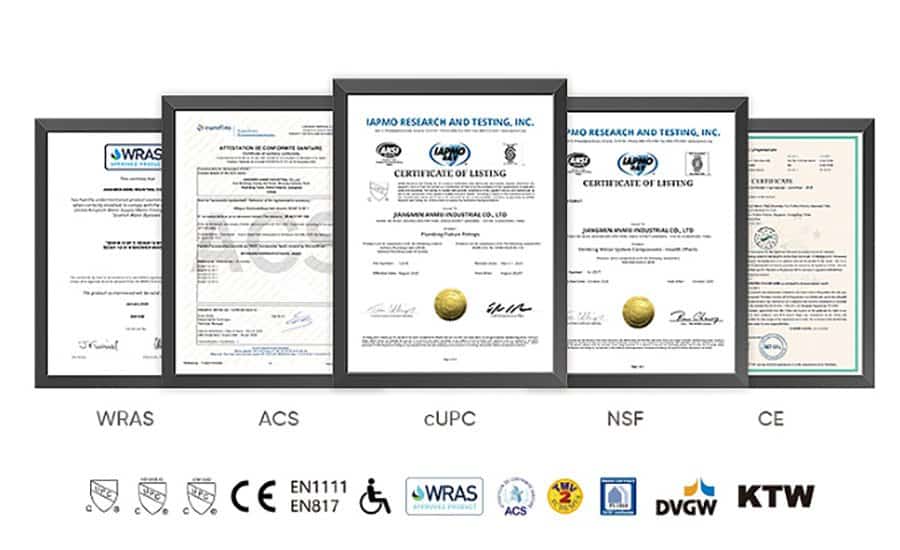
Question 4: “Can you provide the File Numbers for your certifications so I can verify them in the official online databases?”
- The Trap: Fake certificates are rampant. Photoshop is a powerful tool. We have seen suppliers display a “cUPC” logo on their website when they haven’t held a valid license in years.
- The “Real” Answer: Trust, but verify. A legitimate supplier will provide their File Number (e.g., “File No. 12345”).
- How to Verify:
- cUPC: Go to the(https://pld.iapmo.org/») and search the file number or company name.
- WaterMark: Search the(https://watermark.abcb.gov.au/»).
- WRAS: Check the(https://www.wrasapprovals.co.uk/»).
- The Lanerdi Way: We hold active cUPC, WRAS, WaterMark, DVGW, ACS, and CE certifications. We manage compliance for you, ensuring hassle-free import, and provide valid numbers instantly.
- How to Verify:
Question 5: “How do you manage Quality Control during the ‘Peak Season’ rush before Chinese New Year?”
- The Trap: The months of December and January are the “Peak Season” in Chinese manufacturing. Factories rush to ship orders before the Lunar New Year shutdown.
- The Risk: To meet deadlines, many factories hire temporary, unskilled labor. They speed up the assembly lines and skip QC steps. Statistically, defect rates spike during this period.
- The “Real” Answer: You need a supplier with Capacity Management and Automation.
- What to look for: Does the factory rely on manual labor for everything, or do they use CNC machines? Do they have a stable, long-term workforce?
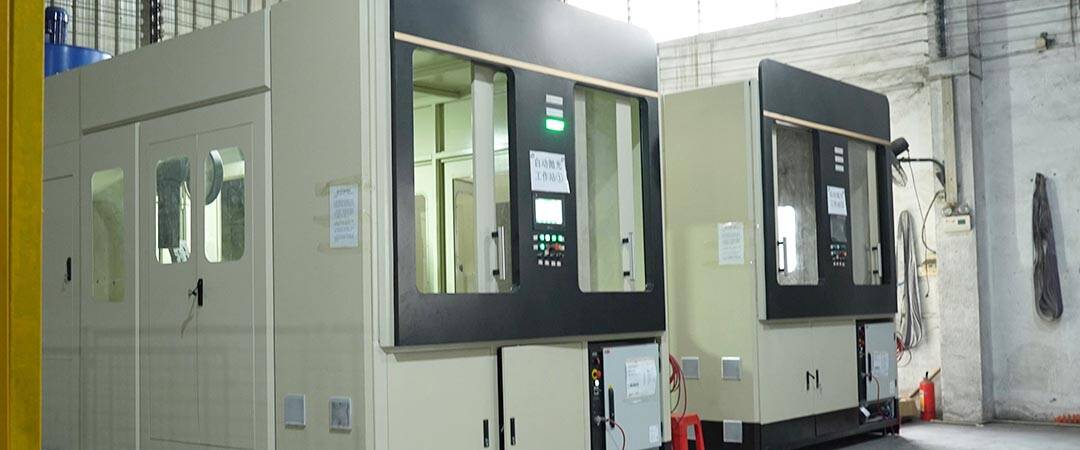
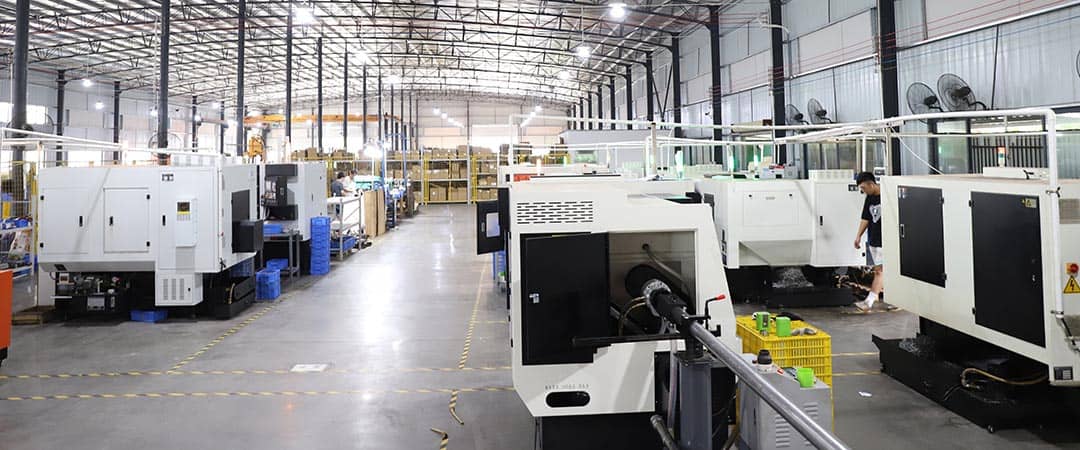
- The Lanerdi Way: We mitigate peak season risks through Automation and Experience. Using CNC machining and auto-polishing robots, plus a seasoned team, we maintain quality even in peak seasons. With planned capacity of 60,000 sets/month, we avoid rushed production.
Why Trust Lanerdi? A Transparent Partnership
Navigating the risks of global sourcing is daunting, but you don’t have to do it alone. At Lanerdi, we have built our business model around being the “Safe Harbor” for international wholesalers and contractors.
A Factory You Can Visit (Even Virtually)
Located in Jiangmen, our 20,000 square meter facility is open to you. We believe in Factory-Direct communication. When you work with us, there are no middlemen. You speak directly to our engineering and export teams.
- R&D Power: Need a custom design? Our R&D team can take a concept to a working prototype in just 35 days.
- Visual Support: We know that in the wholesale business, marketing is key. That’s why we offer Free Tailored Services including high-resolution photos, 3D renderings, product videos, and catalog designs. We don’t just make the product; we help you sell it.
The Certification Shield
Our investment in global certifications—cUPC, WaterMark, WRAS, DVGW, ACS, ISO 9001—is an investment in your peace of mind. It means our products have already passed tests far more rigorous than any single project inspector could devise. It protects you from legal liability and ensures that your products will sail through customs and building inspections.
A Commitment to the Long Term
We’re not chasing quick wins—we seek partners committed to quality. Whether it’s a small MOQ to test a market or a full container of 304 stainless steel kitchen mixers for a skyscraper, we maintain the same rigorous standards.
- The Lanerdi Promise:
- Authentic Materials: Verified by spectrometer.
- Certified Performance: Verified by global labs.
- Transparent Service: Verified by you.
Don’t leave your reputation to chance. Ask the hard questions. Demand the real reports. And when you’re ready for a partner who answers “Yes” to all of the above, Lanerdi is here.
Building Your Reputation on Solid Ground
Sourcing sanitary ware is risk management. Every faucet you install carries your reputation. Failures don’t just reflect the manufacturer—they reflect you.
Quality isn’t just finish or weight; it’s steel chemistry, salt spray resistance, and cartridge durability—measurable facts shown in a real product report.
Treat suppliers as partners in quality, not vending machines. Hesitation over spectrometer data or spare parts is a warning.
At Lanerdi», we welcome scrutiny. Test our steel, verify our certifications, and ensure your projects are built on verified quality. Reach out to our engineering team and let’s get every detail right.
